TL;DR:
- Saddle-stitch, comb, and perfect binding are among the most budget-friendly options.
- DIY projects can be completed using simple tools or a binding machine at home or in the office.
- Choosing the right paper, cover materials, and tools can significantly reduce printing costs.
- Professional print shops like Digiprint can help when precision or volume requires a commercial book binder.
You might have heard some people refer to bookbinding as a lost art. They probably think the rise of digital books is pushing this age-old craft into the closet. Or maybe they believe all books now roll off factory lines, faceless and identical.
Well, we beg to differ.
Book binding is not going anywhere. As long as people cherish the feel of pages between their fingers, there will always be a bindery somewhere piecing sheets together. And while modern equipment like a book binding machine has made production faster, many readers still value the craftsmanship behind printed materials.
That said, not everyone has the funds for elaborate techniques. If you are a student, first-time novelist, or small business owner working on a tight budget, you might want something affordable but still effective.
Don’t worry! There are plenty of types of book binding that can deliver quality results without costing a fortune. Let’s explore some of the most wallet-friendly options that keep pages secure and readers engaged.
The Most Affordable Binding Methods
Ready to learn about cost-friendly binding options? Here is a quick overview.
1. Saddle-Stitch Binding
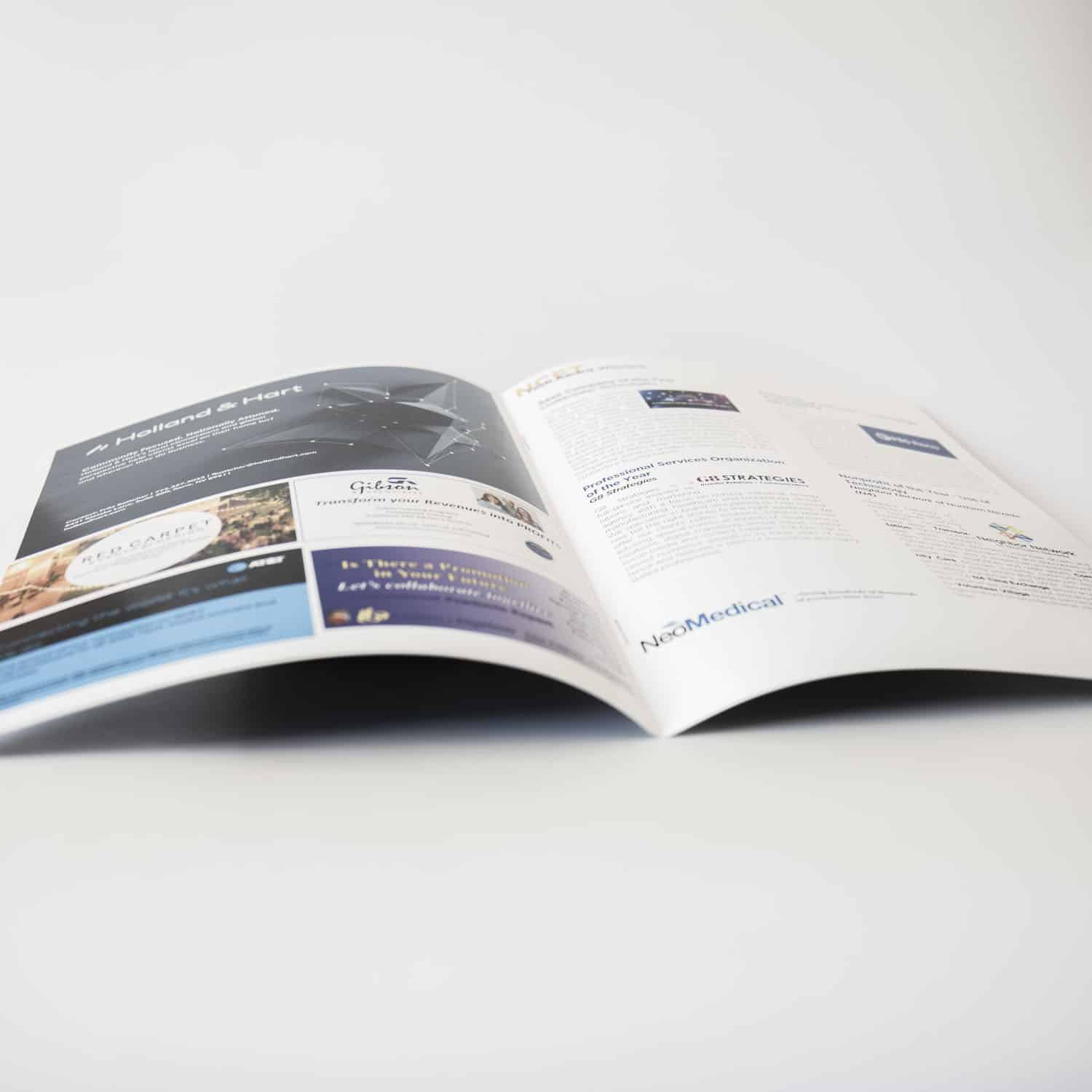
If you’re looking for a no-fuss, budget-friendly way to bind your documents, opt for saddle-stitch binding. Contrary to what the name implies, there’s no actual stitching involved in the binding process. Instead, this method cleverly uses staples along the fold of the book’s spine to hold the pages together.
Cost-Effectiveness
Saddle-stitching reduces costs by using just a few basic materials like paper and staples. It’s perfect for smaller projects like booklets, calendars, and pamphlets, particularly when you’re working with fewer than 64 pages.
Flexibility
Documents bound this way open up fairly flat, which is useful for items like manuals and notebooks where you might need to keep your place.
2. Comb Binding
Comb binding is another reasonably priced option for printed materials, from office reports to training manuals. It uses a plastic spine inserted through holes punched along the edge of the paper stack.
Many offices use a book binder machine or a desktop punch system to create comb-bound documents quickly.
Looks Professional
Comb-bound documents appear organized and easy to read, making them suitable for presentations and internal documentation.
Adjustable
Pages can be added or removed easily, which makes this method useful for manuals or documents that change frequently. A simple book binder allows updates without reprinting the entire document.
3. Perfect Binding
There’s something undeniably appealing about a perfect-bound book. Perfect book binding can give your materials a uniquely professional look without breaking the bank.
Do It Yourself
Perfect binding is quite approachable for those who enjoy a hands-on DIY project. You’ll need some strong adhesive and a few basic tools to bind your documents yourself. This method is better suited to thicker items, like magazines, catalogs, or self-published books.
Professional Look
Perfect-bound books can lie flat, making them easy to stack neatly on a desk or shelf. Additionally, the flat spine allows printing essential details such as titles, company names, and other pertinent information.
A word of caution: While perfect binding is somewhat DIY-friendly, there might be times when you need a bit more precision or a highly polished finish. If your project requires extra precision or a polished finish, professional printing services can help.
Choosing the Right Paper Type
The type of paper you select plays an important role in both cost and functionality. Here’s what to account for:
1) Weight Matters
For most binding jobs, text-weight paper (about 70-80 gsm) does the trick. It’s cheap, easy to find, and works with almost all binding methods. Need something thicker? Heavy cardstock (160-220 gsm) is great for adding heft to your project or for fancy touches like decorative inserts.
2) Think Recycled
Recycled printer paper is a fantastic choice for practice projects or simple notebooks. You can also consider using the blank sides of discarded single-sided printed paper.
3) Look Beyond the Bookstore
Check out office supply stores for bulk printer paper reams. Art supply stores often have interesting-colored papers at competitive prices, especially in larger packs.
4) Thinner is Thicker (for some projects)
For pamphlet-style bindings like saddle-stitch, consider thinner paper (around 60gsm). You can double or even triple the pages for a thicker, more substantial feel without significantly upping the paperweight.
Utilizing Readily Available Materials for Covers
Don’t be afraid to get creative! Repurpose old folders, cereal boxes, or even fabric scraps into unique, eco-friendly covers. Cardboard boxes also offer a surprisingly sturdy, customizable base for covers. You can paint, collage, or fabric-wrap it for a personalized look. The possibilities are endless!
Leveraging Homemade Tools and Techniques
While professional services produce the most consistent results, many beginner projects can be completed using household tools. A spoon can substitute for a bone folder, stacked books can act as a press, and a needle can punch stitching holes.
For hobbyists learning different types of book binding, these simple techniques make experimentation accessible without purchasing expensive equipment.
FAQs About Matte vs Glossy Printing
The Bottom Line
There you have it: a few tried-and-true affordable methods for your low-budget bookbinding project. Remember, a little creativity and resourcefulness can go a long way. So, explore different techniques, experiment with materials, and discover the joy of creating beautiful and functional books on a budget.
Ready to turn your pages into perfectly bound masterpieces? At Digiprint, we specialize in bringing your projects to life with high-quality, cost-effective binding solutions.
Contact us today to discuss your bookbinding needs and explore our affordable options. Let’s make your publishing dreams a reality!