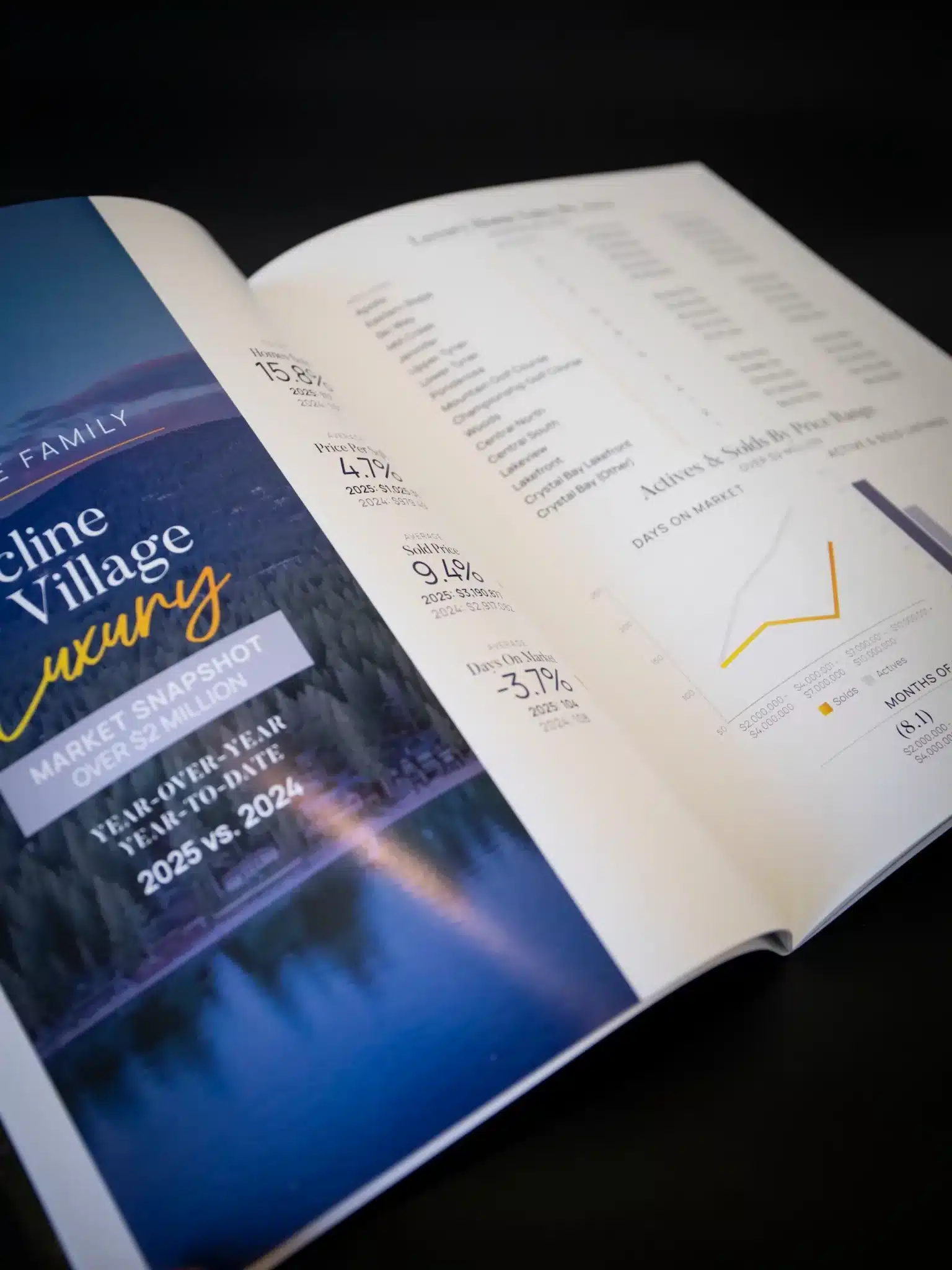
TL;DR
- Perfect binding gives you a clean, square spine and a professional finish that looks “bookstore-ready.”
- It works best for 32+ pages, especially for manuals, catalogs, and perfect bound booklets that need to hold up over time.
- File setup matters more than most people expect; margins, trim, and pagination errors can become expensive fast.
- The spine gets milled, glued (hot-melt or PUR), and then wrapped with a cover; this is the heart of perfect binding printing.
- If you want consistent quality, ask your printer for samples and confirm they do perfect bound booklet printing regularly.
If you have ever held a perfect-bound book and thought, “Wow, this looks great,” that’s no accident.
A well-made, perfect-bound book flips smoothly, stacks cleanly, and feels more substantial than many other binding styles. It’s one of the clearest signals that a print piece was produced with care.
Perfect binding book printing is the go-to for long-lasting, client-facing print pieces, like training manuals, investor reports, product catalogs, and sales guides.
The catch is that perfect binding leaves very little room for mistakes. Small decisions around layout, paper, or production can quietly undo the entire piece. And by the time those problems show up, the books are already printed, packed, and delivered.
After years of producing perfect-bound projects, our print shop in Reno, NV, has seen firsthand what separates disposable books from the ones clients keep on their desks for years. In this guide, we break down the full perfect-bound book printing process, from early planning and design through binding, trimming, and final delivery, so you know exactly what goes into getting it right.

What Is Perfect Bound Book Printing?
To put it simply, perfect binding book printing is a method where loose pages are stacked, trimmed at the spine edge, and glued into a wraparound cover. There are no staples, coils, or wires holding it together.
You will see this style used for:
- Softcover books
- Product catlogs
- Company manuals
- Lookbooks
- Marketing guides
- Repotr and publications
Most projects start around 32 pages and go up from there. In fact, thicker books usually perform better with this method.
Understanding Perfect Bound Books
If you have ever wondered “what is a perfect-bound book?”, the answer comes down to how it’s made.
First, the interior pages are stacked in their final order. The spine edge is then trimmed to expose paper fibers. A strong adhesive is applied, and a single-piece cover wraps around the spine and is pressed into place.
Once the glue sets, the book is trimmed on three sides to create clean, even edges. In the end, you get a square, professional-looking book with a flat spine that can be printed with a title or branding.
Benefits of Perfect Binding
Perfect binding continues to be a go-to option for professional projects because it checks several important boxes.
- Durability: The adhesive used in perfect-bound booklet printing holds pages firmly in place, even with regular handling. For higher page counts, it’s more reliable than staples or coils.
- Professional Look: With a clean, square spine and flat edges, perfect-bound books have a polished, bookstore-quality appearance. The spine also provides space for branding, titles, or logos.
- Cost-Effective: Perfect binding is more affordable than hardcover options and scales well for print runs in the hundreds or low thousands.
Step 1: Preparing Your Manuscript for Perfect Bound Book Printing
Before presses start rolling, your files need to be production-ready. Perfect binding book printing doesn’t leave much room for last-minute fixes, so this step sets the tone for everything that follows.
Formatting Tips for Perfect-Bound Books
Start by confirming your final page size. The inner margins need extra space to account for the glued spine, especially on thicker books. Text placed too close to the spine can become hard to read.
Use clean, readable fonts and avoid ultra-thin typefaces. The images should be high resolution, typically 300 DPI, to prevent softness or pixelation. Consistent styles, spacing, and page numbering help keep everything aligned once the pages are trimmed and bound.
Proofreading and Finalizing
Before you send anything to print, proofread everything. Twice. Preferably by someone who hasn’t been staring at the file for weeks.
- Check every page for typos, image resolution issues, layout errors, and broken page numbers. Make sure nothing important is hiding too close to the trim or spine edge.
- Check the images, captions, headers, and page numbers carefully.
- Once a perfect-bound booklet is printed, correcting mistakes usually means reprinting the entire run. Catching them now is your last line of defense.
Step 2: Printing and Arranging the Pages
After your manuscript is final, the perfect-bound booklet printing process begins with printing the interior pages.
Interior pages are printed as single sheets rather than folded signatures. Since pages are trimmed at the spine’s edge and permanently glued into a cover, there’s no opportunity to rearrange pages later. Pagination and collating need to be correct from the start.
Professional printers use imposition software to arrange pages precisely. After printing, pages are gathered into a solid block, checked for order and consistency, and prepared for spine trimming before binding begins.
Step 3: The Binding Process
At this stage, your printed and trimmed pages are transformed into a finished, durable book. There’s no stitching or stapling: just glue, pressure, and precision.
How to Perfect Bind a Book
First, the stacked pages are clamped and lightly milled along the spine edge. The rough edge gives the adhesive something to grip.
Once the edge is prepped, hot-melt or PUR glue is applied along the spine using an industrial binder. The glue must be evenly distributed to create a strong but flexible bond that holds the pages without making the spine stiff or brittle.
Attaching the Cover
While the glue is still warm, the cover is wrapped around the spine and pressed into place. The covers are usually printed on heavier stock and may include finishes like gloss, matte, soft-touch, or lamination.
Once attached, the book is trimmed on three sides for a clean, uniform finish. At this point, the perfect-bound booklet finally looks like the finished piece you imagined at the start.
Where to Find Perfect Bound Book Printing Near You
If you are searching for perfect-bound book printing near you, you generally have two options: local print shops or reputable online printers.
Search for local commercial printers with experience in perfect binding. Ask to see samples, confirm they handle short to mid-size runs, and check turnaround times. Local vendors are great if you want in-person proofing or pickup.
If you go online, look for printers that offer full specs up front, such as trim sizes, paper options, spine calculation, and file setup guides. Reviews and sample requests go a long way in narrowing your choice.
If your book matters to your brand or business, don’t just go with the cheapest option. Go with the one who knows how to do it correctly.
FAQs About Matte vs Glossy Printing
Details Make the Difference
Perfect-bound books succeed or fail on small decisions.
Knowing the process doesn’t mean you have to run it yourself. But it makes you a sharper, creative partner, a more confident client, and someone who spots quality the moment you pick up the final piece.
At Digiprint Corporation, that’s the standard we hold ourselves to, every time. Whether you’re printing 50 or 5,000 copies, we treat your project with the same care, precision, and attention it deserves.
Contact us to get your project started. Let’s get it done right the first time.