Marketing in 2026 feels a bit like walking into an all-you-can-eat buffet. There’s everything from TikTok influencers to targeted print mailers, and everyone’s telling you their option is the secret to success.
In reality, both digital and print marketing have their place. It just depends on how you use them.
Whether you’re running a small business, managing a brand, or just trying to keep up with the ever-changing marketing world, this post breaks down where each channel wins (and where it falls short) in 2026’s lightning-fast landscape.
Table of Content
Digital Marketing Vs Print Marketing: Understanding the Basics
Key Differences Between Print vs Digital Marketing
Pros and Cons of Print Marketing in 2026
Print vs Digital Advertising: ROI Comparison in 2026
Why Digital and Print Marketing Work Better Together
Which Is Better in 2026: Print Marketing Vs Digital Marketing?
Digital Marketing Vs Print Marketing: Understanding the Basics
In 2026, businesses continue to weigh the pros and cons of digital marketing versus print marketing, and for good reason.
What Is Digital Marketing?
Digital marketing includes:
- Social media campaigns
- Pay-per-click (PPC) ads
- Email marketing
- Search engine optimization (SEO)
- Influencer partnerships
It is fast, measurable, and built for today’s online-driven audiences.
What Is Print Marketing?
Print marketing refers to physical materials designed to promote a brand or message. Common examples include:
- Brochures
- Direct mail
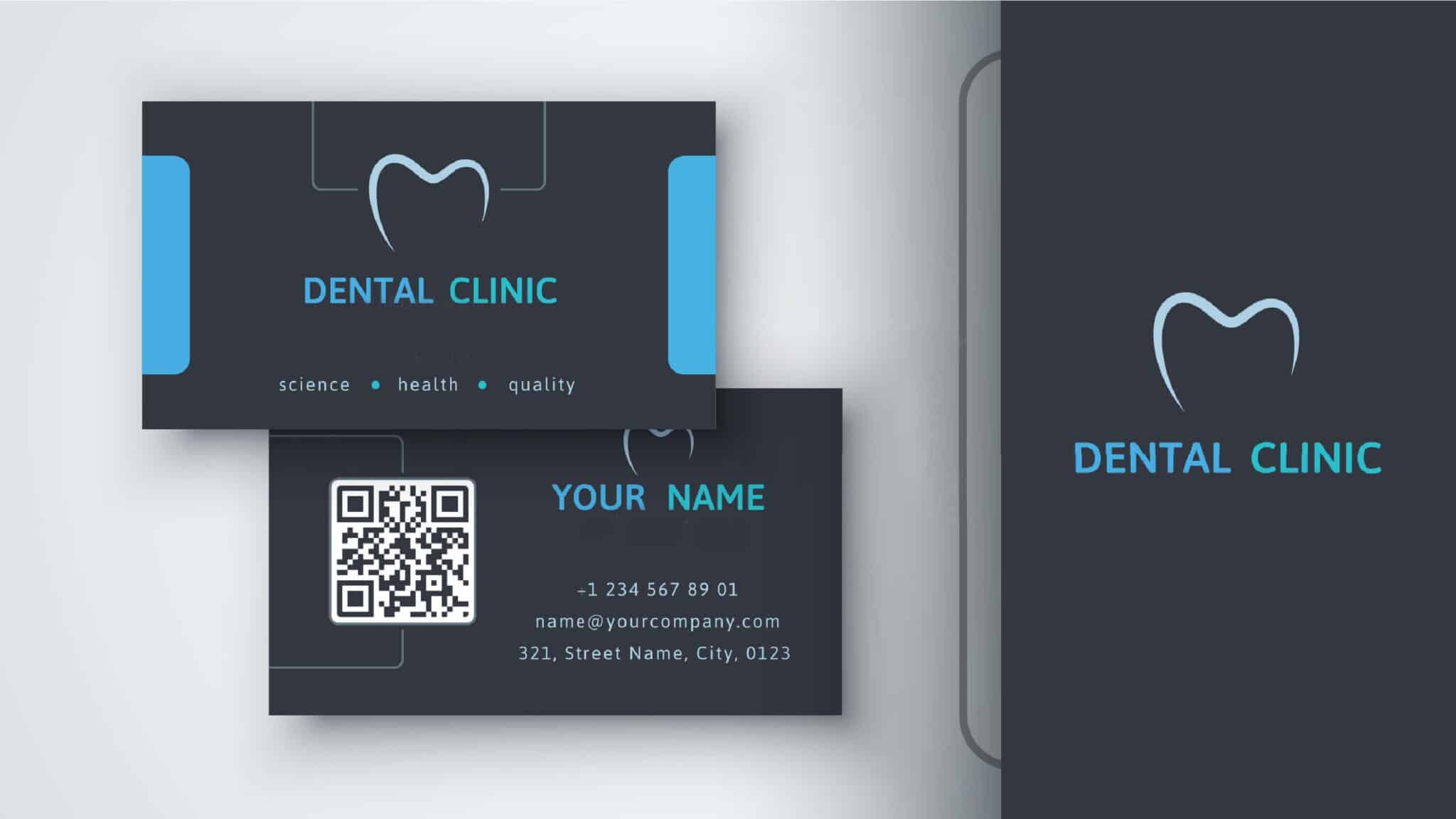
- Business cards
- Banners
- Flyers
- Product catalogs
These print marketing materials appear in places where people live, shop, and work.
The debate between print marketing and digital marketing continues because each approach reaches audiences at different touchpoints. Digital grabs quick attention online, whereas print establishes trust and brand recall in the physical world.
Key Differences Between Print vs Digital Marketing
When businesses evaluate print vs digital marketing, they usually compare three major factors: reach, cost, and measurement. Both options support different marketing goals, and the right choice depends on how a company wants to reach its audience.
Reach and Audience Targeting
Digital marketing can reach people almost anywhere. Ads can target users by location, interests, age, online behavior, and search activity. With this level of precision, businesses can speak directly to the right audience.
Print marketing works best at the local level. According to a USPS study, physical advertisements are more effective in leaving lasting impressions than their digital counterparts.
For local businesses, the geographic focus establishes trust and familiarity within the neighborhood.
Cost and Budget Flexibility
Digital campaigns are easy to scale. A business can start with a small budget, test different ads, and increase spending once something performs well.
Print costs more upfront because you’re paying for design, die-cut printing, and distribution. However, printed pieces last longer. A brochure, catalog, or banner can stay visible for weeks or even months.
Measurability and Analytics
With digital marketing, you get detailed data almost immediately. Marketers can track clicks, impressions, website visits, and conversions as campaigns run.
Print marketing uses a different approach. Businesses can track performance using QR codes, custom landing pages, promo codes, or customer responses tied to a specific campaign.
Pros and Cons of Digital Marketing in 2026
Understanding both the power and pitfalls of digital marketing helps businesses create smarter, more balanced marketing strategies in 2026.
Advantages of Digital Marketing
Digital marketing gives businesses instant access to large audiences. Marketers launch campaigns in hours, track results in real time, and use AI to fine-tune messages for different audience segments.
For startups, digital media levels the playing field. You can test ideas, pivot, and scale without burning massive budgets.
Challenges of Digital Marketing
The downside of digital marketing is that everyone is doing it. Ads compete constantly for attention, costs keep climbing, and users scroll past content faster than ever. Privacy regulations also limit how marketers track and target audiences.
Additionally, digital content disappears from view within hours or days. Because of this, many brands have started looking at print again, not as something outdated, but as a way to cut through the noise of an oversaturated digital environment.
Print vs Digital Advertising: ROI Comparison in 2026
Marketers in 2026 still weigh the ROI of print vs digital advertising when allocating budgets.
They want to know which channel brings in customers at the lowest cost and which one creates a lasting brand impact.
Cost-Per-Acquisition and Efficiency
Digital campaigns usually deliver a lower cost per acquisition because marketers can control spending closely. Ads can target specific audiences and adjust quickly based on performance. Print campaigns require more upfront investment, but they can still generate strong returns when businesses reach the right local audience.
Optimization and Campaign Flexibility
Digital marketing allows teams to improve campaigns in real time. Marketers can test different headlines, visuals, and audiences while the campaign runs. The quick optimization helps businesses increase conversions and reduce wasted ad spend much faster than traditional print campaigns.
Brand Recall and Long-Term Impact
Print advertising typically creates stronger brand recall. Physical materials like brochures, postcards, and catalogs remain visible longer than digital ads. Since people spend more time with print pieces, the brand message stays longer in their memory.
ROI Depends on Audience and Goals
No single channel wins every time. The real ROI in digital marketing vs print marketing depends on the audience, industry, and campaign goals. Businesses looking for quick leads may lean toward digital, while companies focused on brand awareness or local visibility may see strong results from printing services in Reno.
Why Digital and Print Marketing Work Better Together
The conversation around digital marketing vs print marketing is shifting. Instead of choosing one, many businesses now combine both as part of an omnichannel strategy. The idea is to reach people in multiple places and create a more consistent brand experience.
For example:
- A direct mail campaign can include QR codes that send readers to a landing page or special offer online.
- Print catalogs can drive interest while social media ads remind customers about the products they viewed.
Essentially, this integrated approach allows businesses to reinforce messages and reach people across platforms.
Which Is Better in 2026: Print Marketing Vs Digital Marketing?
There isn’t a single answer. The better choice depends on the size of the business, the audience it wants to reach, and what the campaign is trying to achieve.
Printed materials work best in different situations. They help strengthen local visibility, support premium branding, and build credibility through physical materials people can see and hold.
Many companies now stop treating these channels as competitors. A balanced approach that combines online campaigns with well-designed printed materials typically creates stronger visibility, better engagement, and steadier long-term growth.
The Verdict: Choose Strategy, Not Sides
2026 is the year you should think about creating human marketing experiences, whether on-screen or in someone’s hands.
At Digiprint Corporation, we help businesses turn ideas into high-impact prints that work alongside their online campaigns. From banners and signage to brochures, direct mail, and large-format graphics, our team brings your brand to life in the physical world.
Connect with us today and start building a campaign that stands out everywhere.