TL, DR:
- Business card design trends 2026 focus on simplicity, texture, and intentional design choices that make a strong first impression without overcomplicating the layout.
- Many modern business card design trends emphasize premium materials, tactile finishes, and subtle details that elevate brand perception.
- Brands are exploring next gen business cards that blend traditional print with digital elements like QR codes and smart layouts.
- Clean typography and minimalist layouts continue to define business card trends, especially for companies aiming for a polished, professional look.
- These modern business cards ideas prioritize clarity, brand consistency, and designs that feel current without chasing short-lived fads.
It’s easy to assume business cards have lost relevance in a digital-first world. But the numbers tell a different story. Even today, 27 million business cards are printed every single day, and research shows that a company’s sales increase by 2.5% for every 2,000 cards distributed.
Physical cards still create real, measurable impact in professional settings
However, that impact depends on design. A business card that looks dated or forgettable is easy to toss. One that reflects current business card design trends stands a far better chance of being kept, remembered, and shared.
As business card design trends 2026 continue to evolve, brands are treating cards as more than contact tools. They’re leaning into modern business card design trends that balance clean layouts, premium materials, and thoughtful details. From minimalist typography to next gen business cards that blend print with digital functionality, today’s cards are an extension of brand identity. Not an afterthought.
Below, we’ll explore seven business card trends shaping 2026 and how these modern business cards ideas are redefining what a strong first impression looks like.
1. Minimalist Business Card Designs
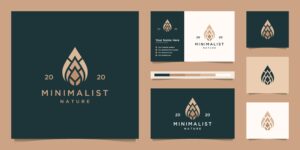
Minimalism continues to lead business card design trends in 2026, and for good reason. Clean layouts, restrained color palettes, and intentional use of white space make business cards easier to read and harder to forget. In a sea of visual noise, simplicity stands out.
These modern business card design trends focus on clarity over clutter. Instead of cramming logos, taglines, and multiple contact methods onto a single card, minimalist designs prioritize what matters most: name, role, brand, and one or two clear ways to connect. The result is a card that feels confident and considered, not overwhelming.
Minimalist cards also translate well across industries. Whether paired with matte finishes, soft-touch coatings, or subtle embossing, these modern business cards ideas prove that strong design doesn’t need to be loud to make an impression.
As brands look ahead, minimalism remains a cornerstone of business card trends that value longevity over short-term visual gimmicks.
2. Sustainable and Eco-Friendly Materials
Sustainability is a defining factor in business card design trends 2026. More brands are choosing recycled paper stocks, biodegradable materials, and low-impact printing processes to align their physical branding with their values.
These choices are shaping modern business card design trends, especially for companies that want their cards to reflect environmental responsibility without calling attention to it explicitly. Natural textures, uncoated finishes, and muted tones often accompany eco-friendly materials, creating designs that feel honest and intentional.
For businesses exploring modern business cards ideas, eco-conscious materials offer a way to make a subtle statement that resonates long after the card changes hands.
3. Premium Materials and Finishes
Premium paper stocks and high-end finishes continue to define business card design trends 2026. Thick cardstock, soft-touch coatings, foil accents, and spot UV finishes are being used to create cards that feel substantial the moment they are picked up.
These elements are central to many modern business card design trends because they communicate quality without relying on complex visuals. A simple design printed on a heavier stock often leaves a stronger impression than a busy layout on thin paper.
Across current business card trends, premium materials signal intention. They suggest that care went into the details, which reflects back on the brand itself. For businesses investing in modern business cards ideas, material choice is just as important as layout or typography.
4. Bold Typography Takes Center Stage
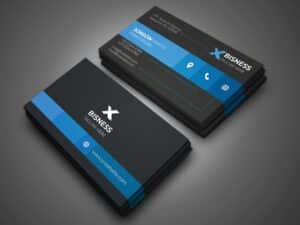
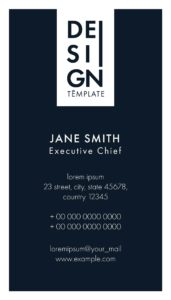
Typography-driven layouts are playing a bigger role in business card design trends 2026. Instead of relying on heavy graphics or complex layouts, many brands are letting type do the work. Oversized names, distinctive fonts, and confident spacing create instant visual hierarchy.
These modern business card design trends use typography to communicate personality. A sharp sans-serif can signal modernity and precision, while custom or serif fonts can convey creativity or authority.
The key is restraint. Bold typography works best when it’s given room to breathe.
As part of broader business card trends, typography-focused designs are especially popular with startups, creatives, and service-based businesses that want their cards to feel contemporary but timeless. When executed well, these modern business cards ideas feel intentional, readable, and unmistakably on-brand.
5. Textured and Tactile Finishes
As digital experiences become more polished, physical texture is becoming a key differentiator in business card design trends 2026. Raised lettering, embossing, debossing, and specialty coatings add a tactile layer that digital interactions simply can’t replicate.
These finishes are showing up more often in next gen business cards, where the goal is memorability. A subtle texture can turn a simple card into something people instinctively run their fingers across, creating a stronger sensory connection to the brand.
Among current business card trends, tactile elements pair especially well with minimalist layouts and bold typography. Instead of overwhelming the design, texture enhances it. For brands exploring modern business cards ideas, tactile finishes offer a way to elevate print without sacrificing clarity or professionalism.
6. Unique Shapes and Die-Cut Designs
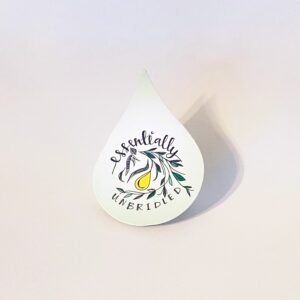
Standard rectangles are no longer the default. In business card design trends 2026, brands are experimenting with custom shapes, rounded corners, and die-cut elements to stand out at first glance. A distinctive silhouette immediately separates a card from the stack.
These designs are a popular direction within next gen business cards, especially for brands that want their cards to feel creative without sacrificing professionalism. Die-cut windows, angled edges, or subtle cutouts can reinforce logos or brand motifs in a way that feels intentional rather than decorative.
As business card trends continue to shift, unique shapes work best when paired with clean layouts and strong materials. When done right, these modern business card design trends turn the card itself into a brand asset. Something people notice before they even read a word.
7. QR Codes and Digital Integration
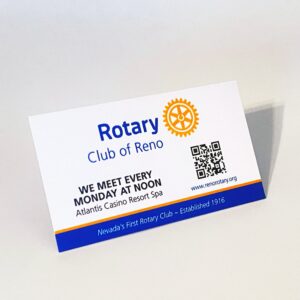
Print and digital continue to intersect in business card design trends 2026, with QR codes playing a central role. These small additions allow business cards to connect directly to websites, portfolios, booking pages, or digital contact profiles without crowding the layout.
This approach is becoming standard for next gen business cards, especially for professionals who update information often or rely on online interactions. Instead of listing multiple contact details, a single QR code keeps the design clean while expanding functionality.
Among current business card trends, digital integration works best when it feels purposeful. Subtle placement and clear labeling help QR codes blend naturally into the design. For brands exploring modern business card design trends, this balance of print and digital keeps cards practical, relevant, and easy to use.
Frequently Asked Questions
The New Standard for Business Card Design in 2026
Business cards remain one of the most tangible ways to make a lasting impression. As business card design trends 2026 continue to evolve, the focus is shifting toward intention, quality, and usability rather than novelty for its own sake.
From minimalist layouts and bold typography to tactile finishes and digital integration, today’s business card trends reflect how brands want to be perceived. The most effective designs balance visual appeal with clarity, using materials and layouts that feel current while still holding up over time.
Whether exploring modern business card design trends or experimenting with next gen business cards, the goal stays the same. Create something memorable, practical, and unmistakably aligned with your brand. If you’re ready to print business cards that reflect that standard, request a quote or speak with a print specialist to get started. Contact us now!