Most people make buying decisions logically.
At least, that’s what they tell themselves.
But before someone reads your headline or processes your offer, their brain has already reacted to the colors on the page. By the time they decide whether to keep your brochure or toss your postcard, color has already influenced that decision.
Color does far more than catch the eye; it shapes how we feel and how we choose. Research shows that people make up their minds about a product within 90 seconds, and up to 90% of that judgment can be based on color alone.
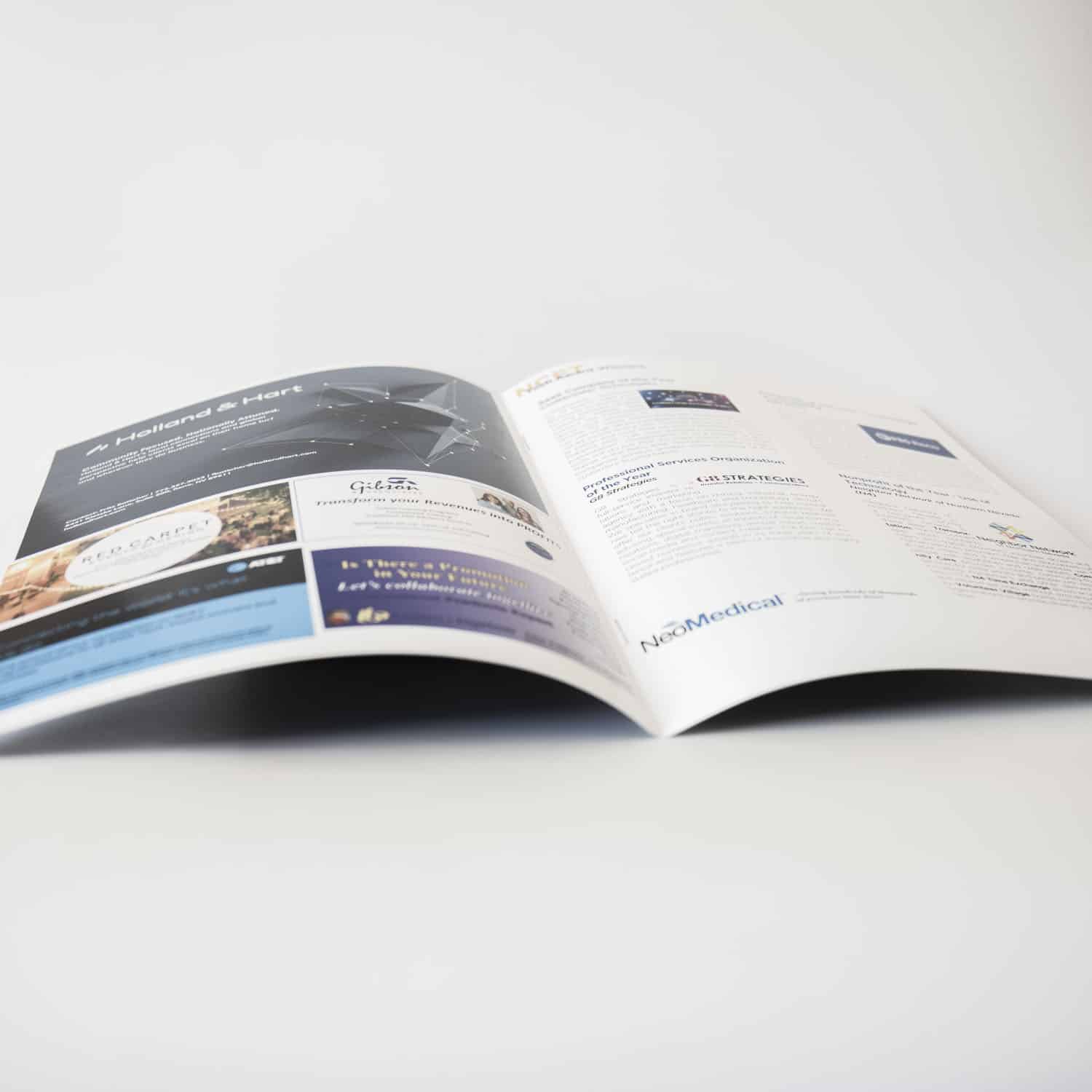
In print marketing, color holds unique power. Unlike digital screens, printed materials offer tactile experiences where hues, finishes, and papers work together to leave lasting impressions.
So, let’s talk about how the psychology of color in marketing works, with the experts at our Reno print shop.

What Is Color Psychology and How Does It Work?
At its core, color psychology is the study of how colors influence the way people think, feel, and act. Certain colors spark certain emotions. And those emotions shape decisions.
In marketing, color psychology explains why certain colors make something feel urgent, trustworthy, calming, exciting, or expensive. These reactions are tied to biology, personal experience, and cultural background.
When you understand color theories in psychology, you stop picking colors because “they look nice” and start choosing them because they support the message. For print marketing especially, color sets the tone before a single word is read.
The Science Behind Color and Human Behavior
Colors trigger reactions almost instantly. For instance:
- Red can feel urgent or intense.
- Blue typically feels steady and trustworthy.
- Green tends to signal balance and stability.
Some associations are pretty universal. But others depend on culture and context. The same color can mean different things to different audiences.
Innovative print marketing does more than follow trends. It thinks about who the audience is and how they’re likely to react.
Overview of Color Theories in Psychology
At the most basic level, color theory splits things into warm and cool colors.
- Warm colors (reds, oranges, yellows) are energetic and attention-grabbing.
- Cool colors (blues, greens, purples) feel calmer and more controlled.
Then you have contrast and saturation. High contrast improves readability and directs the eye. Low contrast softens the design but can reduce clarity.
Saturation is important, too. Bold, highly saturated colors create intensity, whereas muted tones communicate restraint and refinement.
The Psychology of Color in Marketing and Advertising
The psychology of color in marketing is a strategy.
Marketing in color psychology helps businesses control the emotional tone before a customer reads a single word. The right palette can strengthen trust, create urgency, or position a brand as premium. The wrong one can confuse the message.
In advertising, color either reinforces the story or works against it.
How Marketers Use Color to Influence Buying Decisions
Before someone reads a headline, they register color. The first visual cue influences whether the brand appears premium, affordable, exciting, or dependable.
Color also strengthens brand recall. Consistent use of the same palette across print ads, mailers, and packaging creates recognition over time.
Then there’s emotional triggering. Limited-time offers often use bold, high-energy colors to signal urgency. Luxury campaigns rely on darker, controlled palettes to communicate exclusivity.
Color helps guide the decision before logic steps in.
Why Color Is Especially Important in Print Marketing
Unlike digital ads, printed materials are physical. People hold them, flip through them, and see them under different lighting.
Ink density, paper stock, and coating can all enhance or soften a color’s impact. A deep navy on thick matte stock communicates something very different than the same shade on thin glossy paper.
Why Is Color Important for Branding and Business Identity?
If you’re asking why color is important in branding, it comes down to recognition and perception.
Color is often the first element people connect with a brand. They may not recall the exact tagline or details, but they remember the shade tied to your identity.
The right color strengthens consistency. It reinforces what your business represents and communicates personality without relying on extra words.
Builds Brand Recognition Through Color
Using the same colors across all your print materials creates familiarity.
When customers keep seeing the same shades in your ads, flyers, and packaging, it reinforces who you are. Over time, this repetition creates comfort and trust. People gravitate toward what feels familiar.
Color becomes a shortcut in the brain. Instead of reintroducing your brand every time, your palette does part of the work for you.
Emotional Branding and Customer Loyalty
Color also strengthens emotional branding.
Certain shades evoke ideas such as confidence, energy, stability, or luxury. Once those reactions line up with positive experiences, they form strong associations.
Customers don’t just remember your product or service. They remember the overall impression your brand creates. Over time, your colors become part of this lasting identity.
Psychology of Colors in Business and Print Marketing
The psychology of colors in business directly impacts how people judge your company within seconds of seeing your print materials.
Color influences perception in powerful ways. It shapes whether your brand appears serious or playful, affordable or premium, established or new. These assumptions happen quickly, and most of them are subconscious.
Successful brands choose colors that reinforce their positioning and support their marketing goals. For print marketing materials, this becomes even more important. There is no movement or animation to capture attention. The color palette sets the tone and carries much of the emotional weight.
If your colors align with your message, your materials become more persuasive. If they do not, even strong copies will struggle to compensate.
What Different Colors Communicate in Marketing
Color sends a message the second someone looks at your print piece. Whether you’re creating a brochure, direct mail campaign, or large-format signage, the colors you choose communicate something specific about your brand and offer.
Here’s what the most commonly used colors typically signal in marketing:
- Red communicates urgency and excitement. It is typically used in sales promotions and limited-time offers because it naturally draws attention and pushes action.
- Blue signals trust and professionalism. Many financial institutions, healthcare providers, and corporate brands rely on blue to reinforce credibility and stability.
- Green suggests sustainability, growth, and balance. It is commonly used by wellness brands and environmentally focused businesses to reinforce natural or health-driven messaging.
- Yellow draws attention and elicits optimism. It works best as an accent color that highlights important details rather than dominating the entire design.
- Black cues luxury and authority. High-end brands often use black to create a controlled, premium visual identity that positions them at a higher price point.
The key is to choose a color that supports your message, aligns with your audience, and strengthens the position you want your brand to hold in the market.
Applying Marketing Color Psychology to Print Campaigns
Understanding marketing color psychology is one thing. Applying it correctly in print campaigns is another.
In print, there is no second scroll or retargeting ad to fix a weak first impression. Your colors have to work immediately. The palette you choose should support your offer, guide attention, and strengthen your positioning.
Color Psychology in Flyers, Brochures, and Business Cards
Colors need to support hierarchy in flyers and brochures. Headlines need a strong contrast to stand out immediately. Calls to action should use accent colors that separate them from body text.
Likewise, background colors should support readability rather than compete with the text.
Even business cards benefit from intentional color use. A clean, controlled palette communicates professionalism, while bold contrasts create memorability.
Common Color Mistakes to Avoid in Print Marketing
One common mistake is overusing bright or highly saturated colors. While bold shades can grab attention, too many competing colors create noise and reduce clarity.
Another mistake is ignoring contrast and readability. Light text on a light background or dark text on a dark background weakens the message. If people have to strain to read your print materials, they will not stay engaged.
FAQs About Matte vs Glossy Printing
Final Thoughts: Color Is a Sales Tool
The psychology of color in marketing is a proven tool for shaping perception and guiding behavior. In print, intentional color choices make key messages stick, trigger action, and help you stand out. With a thoughtful approach, any organization can use color psychology and business insight to amplify its print marketing.
For best results, work with print experts who understand the power and impact of well-chosen colors. Digiprint Corporation combines strategic thinking with high-quality production to bring your vision to life.
Ready to elevate your next print campaign? Connect with our Reno, NV print shop and start creating materials that make a lasting impression.