Quick Answer: Embossing vs Debossing vs Foiling
Embossing raises a design above the paper surface, while debossing presses the design into the material for a recessed effect. In the debate of debossing vs embossing, embossing creates a bolder, more attention-grabbing finish, while debossing feels softer and more refined.
Foiling adds a metallic or reflective layer that can be combined with either technique, such as gold foil embossing, to create premium business cards, packaging, invitations, and branded print materials with added texture and visual impact.
If you’ve ever picked up a business card or brochure that felt as impressive as it looked, it probably featured print embellishments like embossing, debossing, or foiling on printed products such as cards, folders, or hang tags. These techniques add noticeable texture and a high-quality finish that encourages people to touch and remember your brand, while also improving the overall aesthetic appeal.
From eye-catching embossing with foil to smooth, raised UV effects, these touches can make your printed assets stand out and give them a sophisticated feel. From ordering business cards, packaging, or invitations, we’ll help you choose the perfect finish to match the style you want.
When you need to choose embossing or debossing, it’s important to consider the visual and tactile effects you want, the compatibility of your chosen materials, and your branding goals to make sure you get the best result.
Let’s break down the difference between embossed and debossed finishes, how foiling can improve both, and when each technique makes the most sense for your project.
Embossing vs Debossing: What’s the Difference?
Embossing and debossing are two popular print techniques that add depth and texture to your designs. While both create a lasting impression, they do so in very different ways, each offering its own style and feel.
If you’re comparing debossing vs embossing or trying to decide between emboss vs deboss finishes, the main difference comes down to whether the design is raised or recessed into the material.
These methods are commonly used to highlight logos, letterheads, or decorative elements, as well as company logos and images, giving them a luxurious, tactile effect.
What Is Embossing?
So, what is embossing in printing?
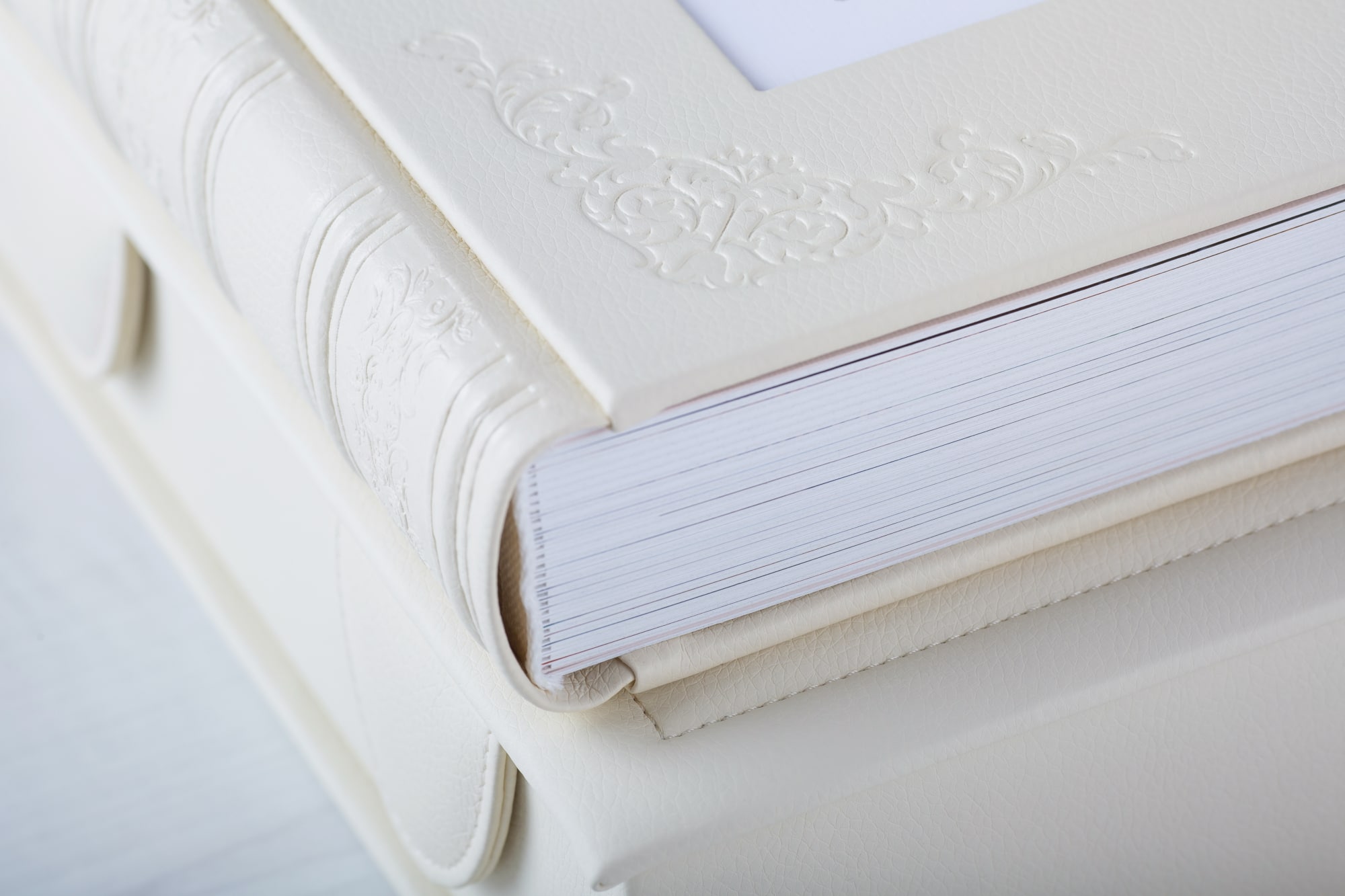
Embossing is the process of raising your design elements above the paper surface. It is typically used for logos, letterheads, or decorative elements you want to emphasize. The result is a crisp, raised print that adds visual appeal and a tactile finish. It’s a popular choice for luxury brands, as the raised designs offer a polished, high-end look.
The embossing process requires a metal die and sometimes two dies, one for the front and one for the reverse side, to create the desired effect, and thicker card stock is preferred for best results.
Plus, it works on thicker papers and pairs with specialty finishes like embossing with foil. Embossing can also be applied to other materials such as leather and wood, which offer a unique texture and added durability. The process leaves an imprint on the material, and the reverse side of the paper may show a corresponding indentation.
An embossed logo or embossed design is created by pressing the material with a detailed die, which can also increase the wear resistance and longevity of the design.
What Is Debossing?
Debossing is the opposite of embossing; it prints the design onto the paper rather than raising it. Debossed images and debossed patterns are sunken into the material, creating a distinct tactile effect. This recessed finish gives off a subtle, sophisticated feel that’s perfect for minimalist branding.
Debossed printing can be done with or without ink. The debossed area can also be filled with ink or foil stamping to enhance the design and add visual interest. The debossing process typically involves pressing a steel die onto the material to create a precise, durable impression. Debossing creates a subtle, indented impression that stands out visually and to the touch; unlike embossing, it does not affect the reverse side of the material as much.
It’s a popular pick for items like stationery, journals, and packaging when you want your design to look refined without being flashy.
Debossing vs Embossing: Key Differences
While both techniques add depth and dimension, the effect is not the same. Embossing raises the design, making it more noticeable to the eye and touch. Debossing, on the other hand, creates a sunken impression that feels refined and subtle.
Here’s how they compare in terms of texture, appearance, and best use cases:
Touch:
- Embossing creates a raised texture you can feel above the paper surface.
- Debossing presses the design into the paper, giving it a smooth, indented feel.
Visual Impact:
- Embossing stands out more and draws immediate attention.
- Debossing has a softer, more understated look.
Best For:
- Embossing is great for business cards, award certificates, and luxury gift packaging.
- Debossing works well on invitations, journals, and high-end product boxes where subtlety matters.
Understanding Foiling in Print Design
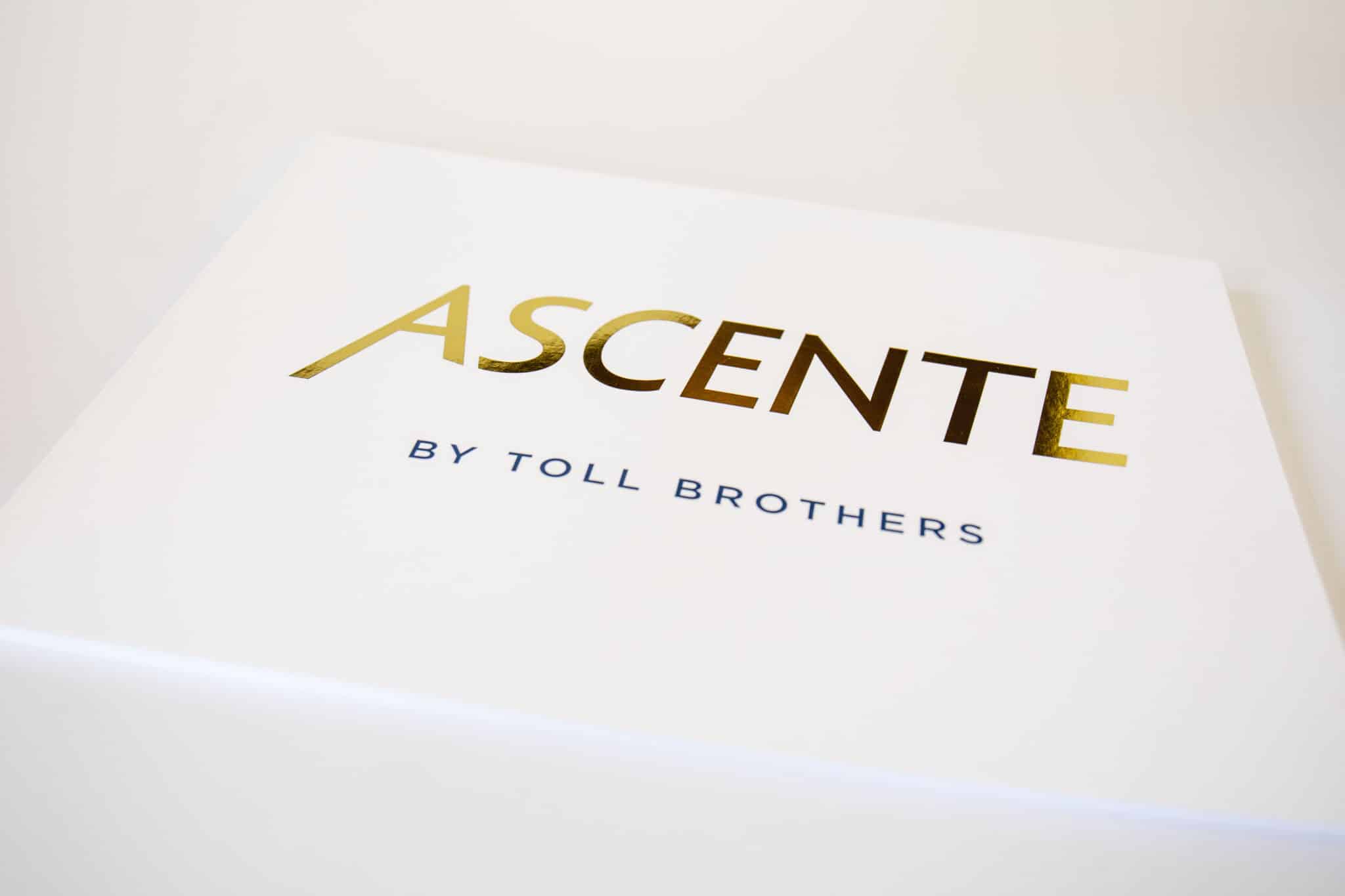
If you want your printed piece to catch the eye immediately, foiling is a surefire way to add shiny, metallic details that stand out. Popular finishes like gold foil embossing combine metallic foil with raised textures to create a bold, luxury appearance commonly used for invitations, packaging, certificates, and business cards.
Before picking a foiling style, let’s look at how it fits into the overall print process and what options you can choose from.
What Is Foiling?
Foiling means pressing a thin layer of shiny or colored foil onto paper using heat and pressure. It gives the material a slick, reflective detail that grabs attention, whether it’s gold, silver, or any other eye-catching hue.
Many designers like to combine embossing with foil to highlight parts of their design. For example, adding foil to raised text makes your logo shimmer and pop, a popular choice in debossed printing for invitations and high-end packaging.
Types of Foiling Techniques
1. Hot Stamp Foiling
This method uses a heated metal plate to press the foil onto your selected material. You get a sharp, vibrant effect that both looks and feels high-end, perfect for things like luxury packaging, wedding invites, or professional stationery.
2. Cold Foiling
Cold foiling works by applying a special adhesive during the print run, then layering the foil on top. It’s fast, cost-effective for large batches, and the metallic finish is still impressive, though it might not have quite the same crispness as hot stamping.
3. Digital Foiling
Digital foiling is good for smaller jobs or anything that needs to be personalized, like invitations with individual names. There are no metal plates or long setup times required. A great option if you’re looking for custom finishes through Reno printing services without the long setup, especially for limited editions or one-off prints with shiny details.
Things to Consider When Choosing Embellishments
Before you wrap up your print design, take a moment to think about how each embellishment, like embossing, debossing, or foiling, can change the overall look, production steps, and even the budget. A little planning upfront can save time and help you get the results you want, whether you’re working on packaging, business cards, or specialty printing services in Reno.
Design & Artwork Requirements
Techniques like debossed printing and embossing depend on clean, accurate design files. Stick to vector art with separate layers for each effect. We recommend steering clear of super-thin lines or super-intricate patterns; these typically don’t show up as clearly when the design is pressed or raised.
Specifying & Cost Factors
Custom dies for embossing or debossing add some initial setup cost. Foiling can be a smart pick for bigger projects, since it gets more cost-effective in larger quantities, especially with hot stamping. Also, embossing works best on thicker papers (think 250 gsm and up) so the raised details stay crisp.
When to Use Each Technique
- Embossing works best when you want to make a statement, like a raised logo or header that feels as bold as it looks.
- Debossing gives you a softer, more subtle effect that still adds texture without drawing too much attention.
- Foiling is great when you want to add a shiny pop, whether it’s gold, silver, copper, or something more playful like holographic.
Try combining techniques, like pairing a foil-debossed logo or giving your title a raised metallic edge, which is also a popular trend in embossing with foil.
Need Help Choosing the Right Finish?
Embossing, debossing, and foiling each add their special touch to your print projects, whether you want texture, shine, or a gentle, indented detail. Whichever method you go with, these effects turn ordinary prints into eye-catching pieces that people will remember. At Digiprint, we help businesses get noticed with vibrant, sharp printing services in Reno and beyond.
If you’re choosing between debossing and embossing, or are curious about all the different embossing styles out there, picking the right finish can make your message pop and show off the care you put into your brand.
Need custom printing in Reno that gets your materials noticed? Get in touch today to explore print embellishments that deliver serious impact.