Have you ever wondered why banks, businesses, and service providers rely so heavily on the number 10 envelope? Its standard size, professional appearance, and compatibility with everyday mailing needs make it a practical choice for business correspondence.
Choosing the right envelope size helps businesses manage postage costs, streamline mailing processes, and maintain a professional image. The #10 envelope meets these needs, making it a popular choice for invoices, statements, and promotional mail.
At Digiprint Corporation, we regularly print envelopes for Reno businesses. Here is what you need to know about the #10, why it keeps winning, and how to order it without wasting a dollar.
What Exactly Is a Number 10 Envelope?
The exact dimensions of a number 10 envelope are 4 1/8 inches tall by 9 1/2 inches wide. It holds a standard 8.5 by 11-inch sheet folded into thirds. The #10 envelope falls within USPS dimensional limits for letter mail. It can qualify for letter pricing when it also meets applicable weight, thickness, and machinability requirements.
The math is simple. An 8.5 by 11 inch page folded in thirds is about 8.5 inches wide and just under 3 3/4 inches tall. That leaves a little breathing room on every side, so the paper slides in easily without bunching.
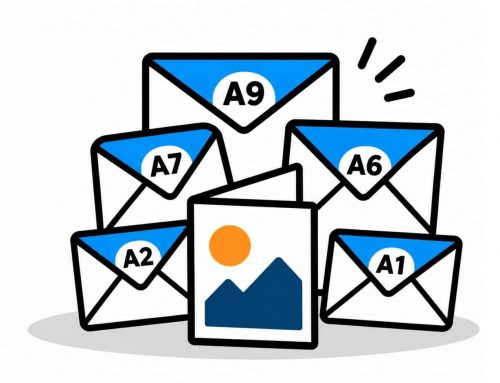
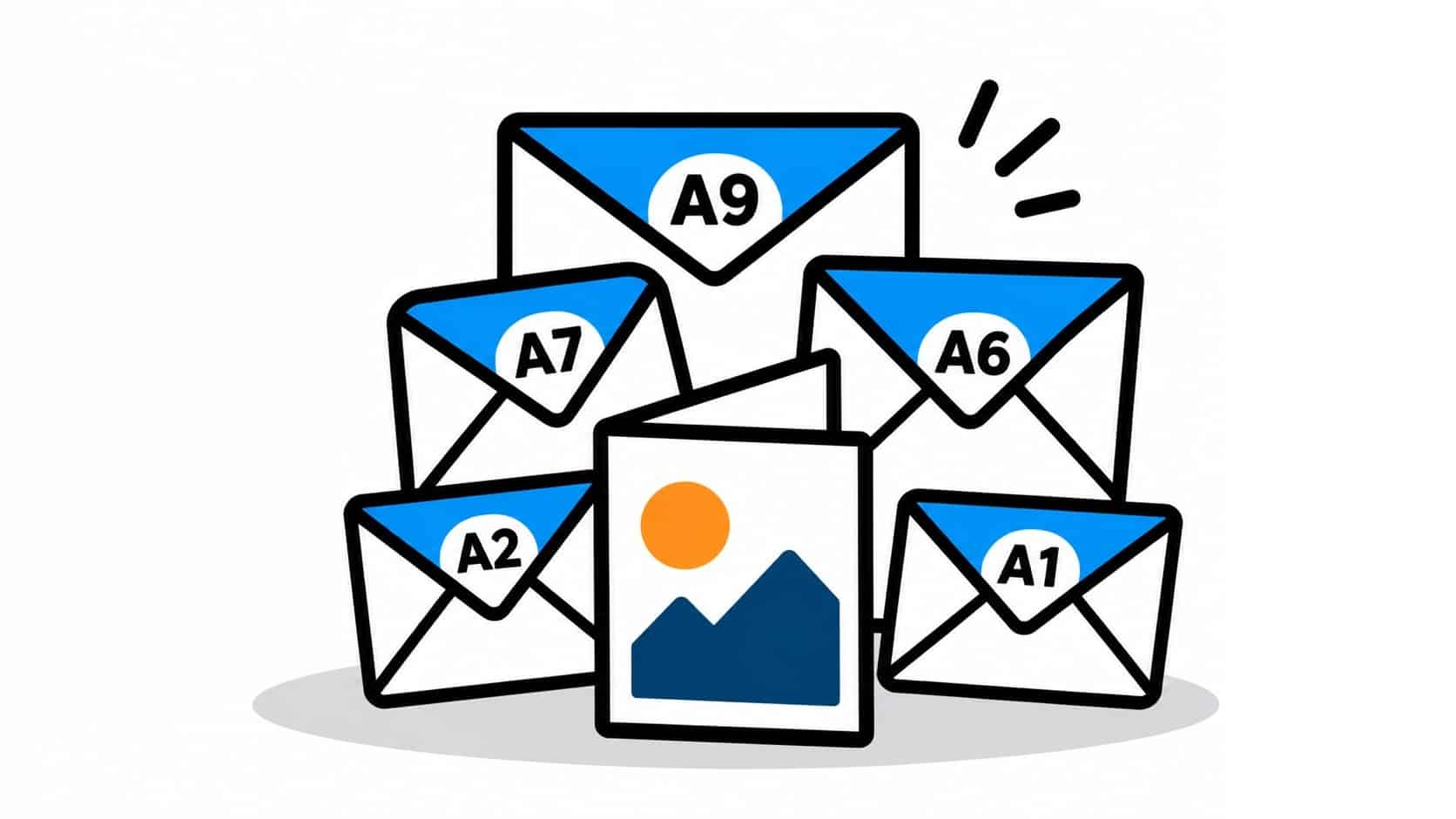
You will also hear it called a #10, No. 10, commercial, or business envelope. If you need to compare other dimensions, the envelope size chart lays them out side by side.
Which Style Should You Choose?
You can choose from three styles: regular, single window, and double window. The right one depends on how your team prepares mail, so decide before you order.
A regular envelope has a solid front. You print or write the address directly on it, which works well for personal letters, invitations, and anything you address from a mailing list.
Window envelopes show the address printed on your letter, so there is nothing to address by hand. The single window version shows the recipient. The double-window version uses a top window for the return address and a bottom window for the recipient’s address.
8 Reasons So Many Businesses Use the Number 10 Envelope
The #10 envelope remains a popular business mailing choice because it offers convenience, professional presentation, and compatibility with standard mailing processes. Here are eight reasons businesses rely on it.
1. It Fits Standard Letter Paper
Most business documents print on 8.5 by 11-inch paper. Fold it in thirds, slide it in, and you’re done. You don’t need special paper or odd sizes.
That consistency also speeds up large mailings. Your team prints, folds, and inserts using the same process every time. Fewer variables mean fewer mistakes.
2. It Meets USPS Letter Standards
USPS letter mail runs from 5 to 11 1/2 inches long and 3 1/2 to 6 1/8 inches high. The #10 sits comfortably inside that range. Its shape also lands within the length-to-height ratio USPS expects, so it moves cleanly through automated sorting.
One First-Class Mail stamp generally covers a standard machinable letter weighing up to one ounce. Additional postage applies as weight increases. If you mail in volume, that predictability keeps your costs under control.
3. It Looks Professional
Banks, healthcare providers, and utilities frequently use this format, giving it a familiar, professional look.
Add a clean logo and return address, and you reinforce that credibility. A sloppy envelope does the opposite. If the outside looks careless, the inside has to work harder to recover.
4. It Handles Almost Any Document
Invoices, checks, statements, reply cards, and appointment reminders all fit, and so do tri-fold brochures. You can also tuck in a business card or a short flyer without changing envelope size.
One envelope size covers most of your routine mail. That keeps your inventory simple, and your reorders predictable.
5. Window Options Cut Errors
Window envelopes pull the address straight from your printed letter. You skip the labels, the separate addressing, and the mismatched letters. When the address on the page is the address on the envelope, nothing gets crossed.
Billing teams get real time back here. If you send hundreds of statements a month, this one choice removes a whole step from your workflow. Before printing a full run, test a folded document to confirm that the address stays visible within the window and does not shift across the fold lines.
6. It Gives You Branding Space
Custom printed envelopes carry your logo, brand colors, and a short teaser line before anyone opens the flap. That first glance gives your business another opportunity to reinforce its branding.
Want a premium look for a special mailing? Add digital spot foil to make your logo or a design element stand out. It works well for announcements, invitations, and high-value customer mailings.
7. It Fits Direct Mail
A letter holds offers, coupons, and personalized messages that a postcard can’t. Done right, direct mail marketing gives you room to make a full pitch. You can lead with a headline on the envelope and close the sale inside.
Direct mail can help businesses connect with customers who may overlook promotional emails. Including a unique coupon code or landing page makes it easier to track responses and measure the results of each campaign.
8. It’s Easy to Buy and Use in Bulk
Printers, folders, and inserters all run this format. You can find it in many paper stocks, colors, and closure styles, so you rarely hit a dead end. Machines built for letter mail handle it without fuss.
Bulk orders typically lower your cost per piece. If you send invoices or statements every month, stock up and stop reordering in a panic. Running out of envelopes before a billing deadline is an avoidable problem.
How the #10 Compares to Other Envelope Sizes
Not every job needs a #10. Match the size to the mailing:
- #9: fits inside a #10, so it works well for reply mail and return payments.
- #6 3/4: suits small payments, remittances, and short notes.
- A7: handles invitations, greeting cards, and thank you cards.
- 6 x 9: carries larger folded documents and promotional pieces.
- 9 x 12: holds full-size pages with no folding.
For everyday business letters, the #10 wins. Reach for the others when the contents call for it.
Industries That Rely on Number 10 Envelopes
Medical and dental offices send patient statements, billing notices, and appointment information, usually in security-tinted envelopes. The tint blocks anyone from reading the contents through the paper.
Protecting patient information is essential for healthcare providers. HIPAA does not specifically require security-tinted envelopes, but covered entities should use appropriate safeguards to protect patient information during mailing.
Colleges and campuses mail admissions letters, financial aid notices, and administrative correspondence. Those documents are personal and time-sensitive, so they need to look official.
Financial, legal, and real estate firms send contracts, checks, and account statements. Retail and service businesses send invoices, promotions, and customer notices. Different industries, same envelope.
Quick Tips for Designing Custom #10 Envelopes
Follow these rules and your envelopes will mail cleanly and look sharp:
- Position your logo carefully: Place your logo and return address in the upper left corner, where people expect to find them.
- Leave room for the barcode: Keep the USPS barcode clear zone free of important text and artwork. Review current USPS placement standards before approving the design, particularly for automated or bulk mailings.
- Choose the right paper: Pick 24 lb stock or heavier so documents and checks don’t show through.
- Pick your closure: A gummed flap works well with standard inserting equipment, and peel and seal is faster for hand stuffing.
- Stay consistent: Match your envelope colors and fonts to your letterhead and business cards.
- Approve a proof: Check spelling, artwork placement, and window alignment before the full run.
For accurate address placement and mail processing, follow current USPS letter-mail standards when preparing your design.
Looking for envelope printing in Reno? Request a proof to review the design, layout, and details before printing begins.
Common Mistakes to Avoid
Most envelope problems come from rushing the order. Slow down on these:
- Guessing the window position instead of folding a real document and measuring.
- Printing artwork into the barcode area at the bottom of the front.
- Choosing thin stock for private documents, then watching the contents show through.
- Ordering a huge run before testing a sample on your inserting equipment.
- Letting the envelope design drift away from your letterhead and other stationery.
Catch these early, and you save money and keep your mail looking consistent.
Frequently Asked Questions
Make Your Business Mail Work Harder
The #10 envelope remains a practical choice for business correspondence, from invoices and account statements to promotional mail. Choosing the right size, paper stock, and design helps keep your mail professional and consistent.
Digiprint Corporation provides printing solutions for businesses in Reno, including custom envelopes designed to match their branding and mailing needs. Whether you need standard business envelopes or custom printed designs, the team can help you prepare your next mailing.
Ready to get started? Contact Digiprint Corporation for custom printing in Reno and request a proof before your order goes to print.